 by
by Joint-Friendly Fitness has developed a way of fitness training that will allow individuals to create long-term strength with minimal impact on their vulnerable joints or reduce the amount of comfort experienced daily.
The development of long-term strength with this system promotes vitality through increased awareness of motion patterns that create more stability in the body and decrease unnecessary stress on the joints during daily activities.
Individuals appreciate the balanced strength this system provides with the flexibility required for continued active aging and for comfort in the activities of daily living.
When people participate in Joint-Friendly Fitness on a regular basis, they develop smoother movement habits that provide support for the sensitive joints and a greater likelihood of successful participation in a variety of physical interests for a long period of time.
Joint-Friendly Fitness provides rebuilding of confidence through the understanding that consistent training with low levels of force can produce continued improvement of strength and produce long-lasting, healthy physical function for the individual.
Understanding Joint-Friendly Fitness Foundations
Core Values Of Protective Movement
The Joint-Friendly Fitness Concept looks at how movement patterns effect the joints comfort level and long term physical durability. This basic understanding of how movement can have a positive affect on the individual’s quality of life, creates an understanding of how one must consider one’s technique and how to maintain good alignment in all aspects of life in order to have increased stability and decreased stress.
The majority of novice athletes who are learning proper form will find great importance in understanding that flexibility improves the ability to move smoothly (i.e., with less stress on the joints) through a broad spectrum of exercises. The development of this knowledge allows athletes to avoid creating excess tension on their bodies by learning to properly warm-up and to slow down when performing any new exercise format.
Why is Mobility Important?
As stated by the American Council on Exercise (ACE), mobility training is essential in helping to maintain joint integrity by performing intentional range of motion work. These same guidelines provide individuals with better ways to establish habits that will reduce their risk of injury and give them a higher level of competence in all new activities.
The development of functional awareness provides the individual with an opportunity to establish muscle balance so that he/she can utilize equal amounts of effort to decrease the overall amount of pressure they place on their most vulnerable joints.
Building Flexibility and Mobility Through Joint-Friendly Fitness
Improved Quality of Everyday Movement.
Not only do these methods improve flexibility training, they also allow individuals to learn how to move within their natural hybrid range without putting their bodies in uncomfortable or unnatural positions.
The goal of this progressive training is to protect sensitive areas of the body while developing stability and improving your posture during day to day activities and light intensity.
Useful Flexibility Practices.
The recommendation for doing yoga or Pilates is based on a lot of current research conducted by reputable organisations such as the National Institute of Aging. Both provide an improved alignment and core engagement.
The controlled, repeatable movements within these practices develop muscle balance and enable you to continue achieving your goals without risking injury to yourself throughout the progressions of stretching or holding for extended periods.
Performing regular flexibility sessions may help alleviate common aches/pains associated with hypertonic tissue by creating elasticised tissue through repeated practice.
As a result, people will have a better prepared joint to enter into more strenuous low-impact exercise programs (previously discussed), allowing for a smoother transition into and throughout the lifetime of exercising and maintaining comfort throughout your various levels of fitness.
Enhancing Muscle Balance for Long-Term Joint-Friendly Fitness
The Importance of Balanced Strength
Muscle Balance through controlled resistance, low-impact workout routines (no load), help Joint Problem- Dashed off balance causing dysfunction throughout the body’s structure through even distribution of pressure between joints during normal activities and/or training regimens.
To maximize the effectiveness of their client(s), trainers commonly promote the use of resistance bands as they provide a variable level of resistance, while also promoting Correct Form without unneeded stress on joints.
Additionally, resistance bands increase fitness levels for seniors and provide options for creating gradual levels of loading while also strengthening Muscles that Stabilize posture and the Motion associated with every day Life.
Examples of Joint-Friendly Strength Practices
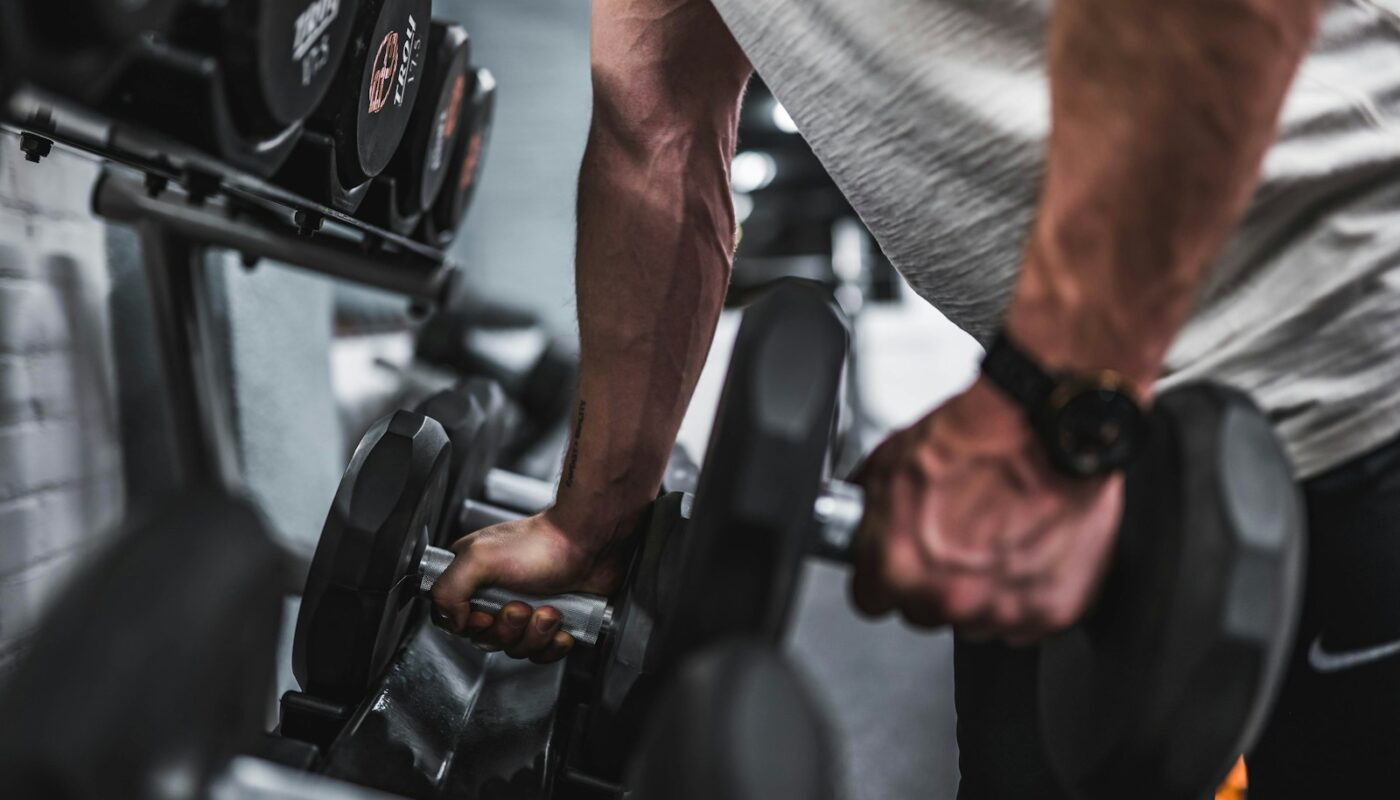
- Light Dumbbell Routines – Contribute to maintaining Functional Strength and Supports safe Joint Mechanics throughout Common day to day Tasks.
- Resistance Band Pulls – Support Controlled Alignment allowing greater Mobility without Creating Excessive Tension on Sensitive Joints.
- Wall Supported Squats – Gently activate Lower Body to help create NEUTRAL Walking Patterns.
The above options allow individuals to Create Steady Progress and also Protect Delicate Areas from Excessive Strain. They will also be able to create Personalized Programs, as they Build Healthier Habits in a manner Consistent with the Advancements found in the Upcoming Topics.
Conclusion
The sustainment of your health, well-being, and overall sustainable lifestyle is a core component of Joint-Friendly Fitness because it offers participants an opportunity to introduce gentle exercise regimens over time that creates a stronger body while continuing to protect their delicate joints.
The purpose of Joint-Friendly Fitness is to support members in living their lives in a more comfortable way, by creating opportunities for increased flexibility, mobility, and balanced muscle, through ongoing participation in low-impact movement patterns, which helps facilitate the individual’s progression over time.
By creating healthy lifelong sustainable habits in moving with a supportive style of exercise, individuals create a foundation for developing a long-term stronger, healthier support system (the body) that does not force their joints to hold up to the weight of more weight than what is required to maintain the health of an individual’s joint(s) as they age, and developing a strong support system for their body’s joints and supporting structures, namely: kinesiology (the science of human movement).